
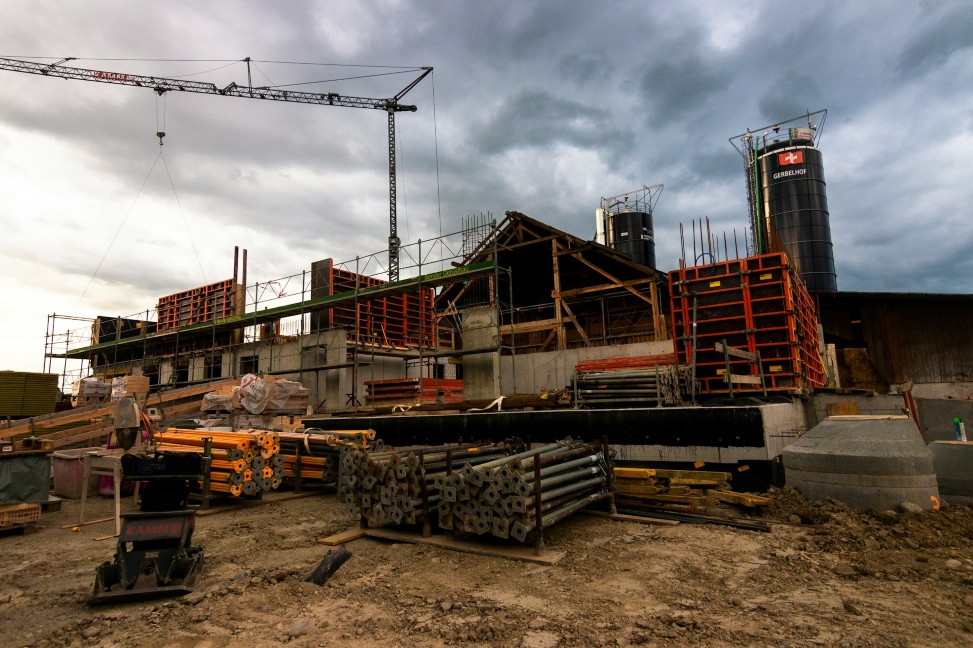
Construction budgets are rarely won or lost on one line item alone. They are shaped by the way equipment, materials, labor, transport, and timing work together on the ground. That is why understanding andamios rental pricing matters so much, especially on projects where access equipment must be coordinated with structural work and materials such as tubo de carton para cimbra. A lower rental rate may look attractive at first, but if it creates delays, requires extra transport, or leaves out essential components, the apparent savings disappear quickly.
What Really Determines Andamios Rental Pricing
Andamios rental pricing is not based on a single universal rate. It usually reflects the type of scaffold system required, the height and complexity of the installation, the project duration, and the conditions of the site itself. A straightforward residential façade job will be priced differently from a commercial build with narrow access points, uneven ground, or stricter safety requirements.
The first major variable is the system specification. Frame scaffolding, modular systems, towers, platforms, and specialty configurations do not carry the same rental value. Some jobs require only basic access; others need greater load capacity, safer circulation, or more adaptable layouts. The more technical the configuration, the more planning and material control it demands.
The second variable is rental period. Daily rates are often the least efficient option for jobs that may run longer than expected. Weekly or monthly terms can offer better value, but only if the project schedule is reasonably stable. When planning is weak, teams may end up paying extension fees, idle time, or return-and-redelivery charges that could have been avoided with a clearer timeline from the outset.
Transport and handling also deserve attention. Delivery distance, access restrictions, loading conditions, and whether assembly and dismantling are included all influence the final quote. In practice, the lowest equipment price is not always the lowest operational price.
| Pricing Factor | Why It Matters | Budget Effect |
|---|---|---|
| System type | Different projects need different capacities, layouts, and safety elements | Specialized systems usually increase cost but can reduce site risk and inefficiency |
| Rental term | Short contracts may look flexible but become expensive if work extends | Longer terms often improve value when schedules are realistic |
| Delivery and pickup | Logistics vary by distance, access, and site conditions | Transport can materially change the final total |
| Assembly and dismantling | Some quotes include labor; others price it separately | Important for comparing proposals accurately |
| Site complexity | Tight spaces, slopes, and sequencing issues require more planning | Can increase labor time and equipment needs |
Daily, Weekly, and Monthly Rates: Choosing the Right Rental Structure
A common budgeting mistake is choosing a rental term based only on the posted rate instead of the actual work sequence. If the scaffold will be used for several linked tasks, a weekly or monthly structure may produce far better value than a series of short renewals. On the other hand, if the work is tightly defined and access is needed only for a specific intervention, a shorter term may keep the budget cleaner.
The smartest approach is to match the contract to the project rhythm. Ask when the equipment will truly be installed, when crews will begin using it, and when the last productive day will occur. Too often, equipment arrives early and sits unused while another trade finishes a previous phase. That is not a pricing problem; it is a sequencing problem.
- Define the real use window. Separate delivery date from productive working date.
- Build in a modest schedule cushion. Construction delays are common, and a little foresight helps avoid rushed extensions.
- Compare complete quotes, not headline rates. Include transport, setup, dismantling, and missing accessories.
- Review extension terms in advance. The cost of one additional week can change the most economical option.
Professional suppliers will usually help clarify these trade-offs before the rental begins. In CDMX, companies with strong local operating knowledge, such as Fabricantes de Andamios | Andamios Renta en CDMX | Andamios Tlalpan, can be particularly useful when projects need practical guidance instead of one-size-fits-all packages.
How Tubo de Carton para Cimbra Influences the Total Budget
On many sites, andamios are only one part of a larger execution strategy. Concrete columns, circular forms, and vertical structural details may require tubo de carton para cimbra, and when those materials are considered separately from access equipment, budgeting can become fragmented. That fragmentation often leads to duplicated deliveries, disjointed schedules, and missed opportunities to streamline procurement.
For projects that combine vertical concrete work with access equipment, sourcing items such as tubo de carton para cimbra from the same specialist can simplify logistics and reduce delivery friction.
This does not mean every project should bundle everything under one order. It means the estimator should view the site as a whole. If scaffold placement affects where forms are installed, and formwork timing affects when the scaffold can be dismantled, both elements belong in the same planning conversation.
- Sequencing: Formwork and access equipment often need to arrive in a specific order to avoid site congestion.
- Transport efficiency: Coordinated sourcing can reduce unnecessary trips and handling.
- Crew productivity: When materials and access systems are aligned, trades spend less time waiting or adapting on site.
That is where experienced local suppliers add value beyond the invoice. Reliable communication, realistic lead times, and familiarity with urban delivery conditions in Mexico City can protect the budget just as effectively as a lower nominal rental price.
A Practical Checklist for Comparing Andamios Quotes
Before accepting any proposal, it helps to evaluate whether each supplier is pricing the same scope. Many apparent price differences come from incomplete inclusions rather than true savings. A disciplined comparison can prevent unpleasant surprises once the equipment is already on site.
- Is the quote based on the exact scaffold type the job requires?
- Are platforms, braces, base plates, guardrails, and access elements included?
- Does the price cover delivery and pickup?
- Are assembly and dismantling included, optional, or excluded?
- What happens if the rental must be extended?
- Is there clarity on damage responsibility and replacement conditions?
- Can the supplier support schedule adjustments without disrupting the site?
The best quote is not simply the cheapest one. It is the one that gives the project manager the clearest understanding of cost, scope, timing, and responsibility. When those elements are visible from the start, the budget becomes easier to defend and easier to control.
Conclusion: Better Planning Delivers the Real Savings
Cost-effective scaffold rental is rarely about chasing the lowest sticker price. It comes from choosing the correct system, aligning the rental term with the real construction schedule, and evaluating logistics as carefully as equipment itself. On jobs where access solutions intersect with structural materials, the planning process should also account for items like tubo de carton para cimbra so the full project budget reflects how the work will actually be executed.
For contractors, builders, and site managers, the most dependable savings come from coordination, transparency, and local expertise. When andamios pricing is reviewed in context rather than in isolation, decisions become smarter, delays become less costly, and the overall project stands on a stronger financial footing.
