
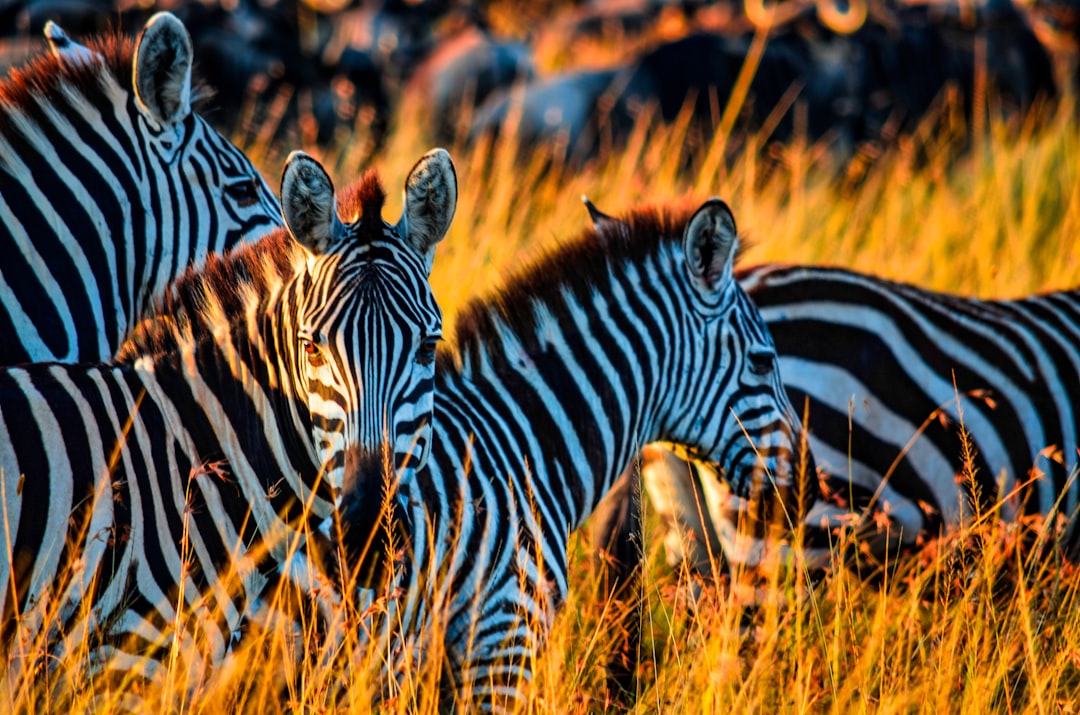
Tanzania rewards good timing more generously than almost any safari destination. The country changes character with the rhythm of rain, grass growth, river levels, and animal movement, which means the best travel window depends less on a single calendar answer and more on what you hope to see. Thoughtful safari trip planning can be the difference between watching dust-lit elephant herds at a shrinking waterhole, witnessing wildebeest calving on the southern Serengeti plains, or enjoying emerald landscapes filled with migratory birds and fewer vehicles.
For travelers considering Tanzania, the most useful question is not simply, “When should I go?” but “What kind of wildlife experience do I want most?” African Mamba Safaris helps frame that choice well, because the ideal safari is rarely about chasing a headline moment alone. It is about matching season, park, pace, and expectations to create a trip that feels both exciting and well judged.
Why timing matters so much in Tanzania
Tanzania offers excellent wildlife throughout the year, but the quality of sightings changes with the seasons. During drier months, vegetation thins, animals gather around reliable water sources, and game viewing often becomes easier and more dramatic. During greener months, the scenery is lush, many animals give birth, birdlife is exceptional, and the atmosphere can feel quieter and more intimate.
This seasonal variation is especially important in the Serengeti ecosystem, where the Great Migration follows rainfall patterns rather than a rigid timetable. The wildebeest herds move in search of fresh grazing, and with them come predators, shifting concentrations of zebra, and some of East Africa’s most memorable safari scenes. Elsewhere, places such as Ngorongoro Crater, Tarangire, and Lake Manyara each respond differently to the seasons, giving travelers the chance to build a more layered itinerary rather than relying on one park alone.
| Season | Typical months | Best for | What to expect |
|---|---|---|---|
| Dry season | June to October | Classic game viewing, easier sightings, river crossing periods in parts of the Serengeti | Cooler mornings, dusty roads, larger crowds in popular areas, strong wildlife concentration |
| Short rains / green transition | November to December | Fresh landscapes, birding, good value, fewer visitors | Intermittent rain, beautiful light, changing herd movement |
| Green season | January to March | Calving season in southern Serengeti, predator activity, lush scenery | Excellent photography, dramatic skies, softer crowds in many areas |
| Long rains | April to May | Very quiet travel, vivid scenery, strong value for some itineraries | Heavier rain, some road challenges, not ideal for every traveler |
The best seasons for different wildlife experiences
If your priority is classic big-game viewing, the dry season from June through October is often the safest choice. Water becomes more limited, bush cover is thinner, and many animals are easier to spot. Tarangire is especially rewarding in this period, known for large elephant herds and a strong concentration of wildlife around the Tarangire River. In the Serengeti, this is also when many travelers aim for the western and northern areas, where migration movement and river crossings may become part of the experience.
If you are drawn to the drama of new life, January to March can be extraordinary. The southern Serengeti and Ndutu area become especially compelling during calving season, when wildebeest gather on short-grass plains to give birth. That concentration of vulnerable young animals naturally brings predators, making this one of the most dynamic periods for those interested in behavior as much as sheer numbers.
Bird lovers and photographers often appreciate the green months more than first-time safari travelers expect. From roughly November through March, resident and migratory birdlife can be superb, and the landscapes feel fresh rather than austere. The softer light, greener backdrops, and lower visitor numbers can make the experience feel more exclusive, even if rainfall occasionally interrupts the day.
The long rains, usually April and May, are the most divisive period. For some travelers, they are less practical because roads can become difficult and certain camps may close. For others, especially those who value atmosphere, quiet, and dramatic scenery over textbook game-viewing conditions, this period can still hold real appeal. The key is realistic planning.
How the major parks change through the year
The Serengeti deserves its reputation, but it should not overshadow the rest of northern Tanzania. In many cases, the best safari comes from understanding how different parks complement one another seasonally.
- Serengeti National Park: Best known for the migration, but rewarding year-round. Timing determines whether you focus on calving in the south, movement through the central corridor, or river crossing areas farther west and north.
- Ngorongoro Crater: A strong all-season destination because wildlife remains within the crater, making it one of the most reliable places for concentrated sightings regardless of month.
- Tarangire National Park: Often at its best in the dry season, when animals gather in impressive numbers and elephant sightings can be outstanding.
- Lake Manyara: More variable, but valuable as part of a broader circuit, especially for scenery, birdlife, groundwater forest, and a contrasting pace between larger game-viewing days.
This is where practical itinerary design matters. A well-built northern circuit does not simply list famous parks; it uses seasonality to decide how many nights to spend in each place, when to move, and which experiences deserve priority. For travelers who want expert safari trip planning, African Mamba Safaris offers a grounded way to shape those choices around the season rather than forcing a one-size-fits-all route.
What to consider beyond wildlife alone
The best time for Tanzania is not only about animals. It is also about comfort, crowd levels, road conditions, and the style of safari you want. Dry-season travel tends to feel more predictable. Roads are generally easier, camp logistics are straightforward, and wildlife viewing can be consistently strong. The trade-off is that the most famous areas are often busiest in these months, especially when migration sightings are concentrated.
Green-season travel offers a different kind of luxury: space, mood, and texture. The landscapes are richer, the skies more dramatic, and some lodges feel calmer and more private. For photographers, honeymooners, birders, or repeat safari travelers, that shift in atmosphere can be worth more than the higher probability of easy sightings in peak dry months.
It also helps to think about who you are traveling with. Families with school holiday constraints may need a more straightforward dry-season itinerary. Couples looking for romance may prefer the beauty and lower traffic of the shoulder or green months. Serious wildlife enthusiasts may be happiest choosing a trip around one specific seasonal phenomenon rather than aiming for a general overview.
- Define your main priority: migration drama, predator action, elephants, birding, scenery, or privacy.
- Choose the right season: not the most famous month, but the month that supports your priority.
- Pair parks strategically: combine dependable areas like Ngorongoro with more season-sensitive parks such as the Serengeti and Tarangire.
- Allow enough time: rushing between parks weakens the experience more than traveling in a slightly less-than-perfect month.
Choosing the right month for your safari trip planning
If you want the broadest chance of classic wildlife viewing with straightforward logistics, June to October remains the strongest general recommendation. If calving season and predator behavior excite you most, aim for January through March. If lush scenery, birding, lower visitor density, and a more atmospheric trip matter more, November to March can be deeply rewarding. April and May are best approached selectively, with a clear understanding of both the limitations and the charm of the rainy season.
In practical terms, the best safari is the one designed around intention rather than assumption. Tanzania has no single perfect month for every traveler, only better and worse matches for particular goals. The real value of careful safari trip planning is that it turns a famous destination into a personal one, balancing wildlife ambition with comfort, rhythm, and realism.
That is ultimately why timing matters so much. Tanzania can be thrilling in many different seasons, but the most memorable journeys come from knowing what each season gives. With a thoughtful itinerary and subtle guidance from an experienced operator such as African Mamba Safaris, travelers can choose not just a time to visit, but the right moment to experience Tanzania at its finest.
——————-
Article posted by:
African Mamba Safaris | Tanzania Safari Tours
https://www.africanmambasafaris.com/
0672864486
Tanzania, United Republic of
African Mamba Safaris | Tanzania Safari Tours
Are you ready to experience the wonders of Tanzania in luxury? Join African Mamba Safaris on an unforgettable journey through the breathtaking landscapes and wildlife of this beautiful country. Book your Tanzania Safari tour today and embark on the ultimate adventure of a lifetime.
