
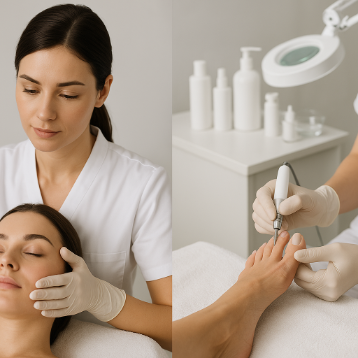
True excellence in Kosmetik und Fußpflege is not defined by trend-driven treatments or elaborate product shelves. It is built on precision, discipline, and an understanding that visible results come from skilled observation and carefully chosen techniques. As client expectations continue to rise, advanced practice increasingly depends on a combination of refined manual ability, strong hygiene standards, individualized treatment planning, and a deeper awareness of skin and foot health as part of overall well-being.
Why advanced methods matter in Kosmetik und Fußpflege
Basic beauty care can improve appearance in the short term, but advanced practice aims for something more lasting: better skin function, greater comfort, healthier feet, and a treatment experience tailored to the individual rather than the menu. In both facial and foot care, the most effective professionals move beyond routine sequences. They assess texture, tone, sensitivity, callus formation, pressure points, circulation, nail condition, and lifestyle factors before selecting techniques.
This shift from standardized service to informed care is what separates simple maintenance from professional refinement. A facial should not be approached the same way on reactive, dehydrated, mature, or congested skin. Similarly, foot care should account for friction patterns, nail thickness, gait-related pressure, and the distinction between cosmetic concerns and conditions that require medical referral.
The value of advanced technique lies in making these distinctions early. Rather than doing more, the skilled practitioner does what is appropriate, at the right intensity, in the right order. That often means knowing when to proceed gently, when to extend a treatment plan over several sessions, and when to avoid aggressive intervention altogether.
| Area | Conventional Approach | Advanced Approach |
|---|---|---|
| Skin treatments | Same steps for most clients | Adapted to barrier function, sensitivity, and treatment goals |
| Foot care | Focus on appearance only | Combines aesthetics, comfort, pressure awareness, and nail health |
| Exfoliation | Routine intensity | Adjusted by skin type, thickness, and recovery capacity |
| Consultation | Brief intake | Detailed assessment with contraindication screening and aftercare planning |
| Results | Immediate but short-lived | Progressive, safer, and more sustainable over time |
Precision skin assessment and treatment design
One of the most important advanced skills in Kosmetik und Fußpflege is assessment. This means looking beyond what is visible at first glance. Skin that appears oily may actually be dehydrated. Roughness may come from barrier disruption rather than a need for stronger peeling. Redness may signal sensitivity, heat reactivity, or over-treatment elsewhere in the routine.
A well-structured assessment often includes the following factors:
- Barrier integrity: how resilient or compromised the skin appears
- Hydration level: whether tightness, flaking, or dullness is present
- Sebum activity: excess oil, congestion, or imbalance
- Vascular reactivity: flushing, diffuse redness, or sensitivity
- Texture and thickness: roughness, keratin buildup, or uneven surface
- Client history: home care habits, environmental exposure, and previous treatments
Advanced treatment design grows from this analysis. Instead of overloading the skin, the practitioner builds a sequence with purpose. Cleansing becomes preparatory rather than perfunctory. Exfoliation is selected for tolerance and need. Massage is adjusted to encourage circulation without overstimulating fragile tissue. Masks and finishing care are chosen to support the treatment objective, whether calming, clarifying, softening, or restoring comfort.
The same logic applies to treatment frequency. Some concerns improve with steady, moderate correction rather than an intense single session. This is especially true for reactive complexions, uneven texture, and skin that has been repeatedly stripped or over-processed. The most advanced practitioners understand pacing and progression as part of technique, not as an afterthought.
Elevating foot care through structure, hygiene, and observation
Foot care is often underestimated, yet it requires exceptional technical discipline. Advanced Fußpflege is not simply about polish, smoothing, or visual neatness. It demands attention to biomechanics, hygiene, pressure distribution, and the structural realities of daily life. Feet bear weight, endure friction, and often show neglect long before people seek professional care.
Careful observation can reveal patterns that shape the entire service. Recurrent callus in one area may indicate shoe friction or altered pressure. Thickened nails may call for slower, more precise reduction. Cracked heels require more than superficial softening; they need a plan that balances controlled exfoliation, emollient support, and client compliance at home.
Advanced practice also depends on knowing the limits of cosmetic work. A professional should recognize when signs such as inflammation, unusual discoloration, significant pain, or suspected infection fall outside routine care. In those moments, restraint is a mark of professionalism.
For those developing deeper practical standards, structured training matters. Professionals seeking a stronger foundation in Kosmetik und Fußpflege often benefit from education that treats hygiene, anatomy, technique, and client assessment as inseparable parts of high-level service.
A strong foot-care workflow often follows a precise sequence:
- Initial inspection: check skin condition, nail shape, thickness, color, and pressure zones
- Hygienic preparation: sanitize properly and prepare tools with strict infection-control standards
- Targeted softening: use soaking or softening methods thoughtfully, not excessively
- Nail and cuticle work: shape conservatively and avoid unnecessary trauma
- Callus management: reduce gradually with control rather than aggressive removal
- Surface refinement: smooth areas of friction while preserving skin function
- Finishing care: apply appropriate hydration and recommend realistic aftercare
The best results come from consistency and moderation. Overworked feet often return with more sensitivity, irritation, or compensatory thickening. Advanced technique respects the skin’s protective role while still improving comfort and appearance.
Manual skill, client comfort, and treatment pacing
Technical quality is felt as much as it is seen. Pressure, rhythm, hand positioning, and pacing all shape the effectiveness of a treatment. In facial care, poor touch can overstimulate the skin, cause unnecessary redness, or turn a potentially restorative session into a stressful one. In foot care, rushed or uneven handling can create discomfort and reduce trust.
Advanced manual skill is rooted in control. That includes:
- Consistent pressure that adapts to sensitivity and tissue condition
- Clean transitions between treatment steps without disruption
- Purposeful touch that supports drainage, relaxation, or softening without excess
- Economy of movement to reduce fatigue and improve precision
- Responsive pacing based on the client’s comfort and visible skin response
Comfort is not a luxury element added after technique; it is part of technique itself. A client who feels safe and at ease is more likely to tolerate careful corrective work, follow home-care advice, and return for the continuity that many concerns require. Professionalism therefore includes communication during the service: explaining sensations, checking tolerance, and adjusting as needed without breaking the calm of the treatment.
This is also where environment matters. Cleanliness, organization, proper draping, well-maintained tools, and thoughtful timing all support the perception and reality of quality. Advanced work should feel composed, not improvised.
Building long-term results through aftercare and professional judgment
The finest treatment can lose value if it ends without practical guidance. Advanced Kosmetik und Fußpflege extends beyond the appointment through concise, relevant aftercare. This does not mean overwhelming clients with lengthy instructions. It means identifying the few steps that will protect results and support progress until the next visit.
Useful aftercare may include:
- maintaining hydration without overloading reactive skin
- avoiding heat, friction, or strong exfoliation immediately after treatment
- using foot creams regularly on dry pressure areas rather than only when discomfort appears
- wearing better-fitting footwear when friction patterns are obvious
- returning at appropriate intervals instead of waiting for severe buildup or irritation
Just as important is professional judgment about expectations. Not every issue can or should be transformed quickly. Mature skin may improve in smoothness and comfort without becoming uniform. Heavily burdened feet may need several careful sessions before they look and feel significantly better. Setting realistic goals protects trust and encourages a healthier relationship with treatment.
Advanced practice is ultimately a discipline of attention. It values assessment over assumption, refinement over force, and continuity over quick fixes. When those principles guide both facial and foot care, the work becomes safer, more elegant, and more effective.
Conclusion
Exploring advanced techniques in Kosmetik und Fußpflege reveals a profession that is far more exacting than many people assume. At its best, it combines observation, hygiene, anatomy, touch, pacing, and thoughtful aftercare into a coherent standard of care. The result is not just better-looking skin or better-groomed feet, but treatments that respect the body’s needs and deliver meaningful improvement over time. In a field where details define quality, true expertise lies in knowing how to do less aggressively, more precisely, and always with purpose.
Find out more at
Beauty Academy | Kosmetikausbildung Österreich
https://www.beauty-ausbildung.at/
0680-3328198
8430 Leibnitz, Augasse 17
Unlock your potential in the world of beauty with Beauty Academy | Kosmetikausbildung Österreich. Dive into professional training programs that are both state-recognized and hands-on, offering courses in cosmetology, foot care, makeup artistry, and nail design. With flexible course models tailored to fit your lifestyle, our academy is your gateway to mastering the art of beauty. Transform your passion into a profession and join a community of aspiring beauty experts today!


