
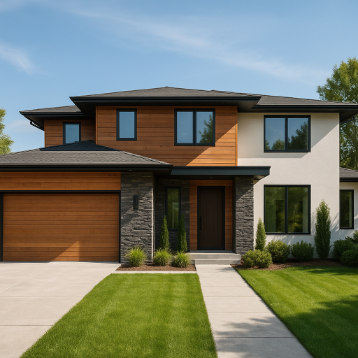
Great homes rarely happen by accident. The most memorable properties in Arvada, Denver, and Westminster feel resolved from the street to the living room, with each design choice reinforcing comfort, function, and identity. Whether the goal is to modernize an aging facade, refine an interior layout, or create a stronger relationship between indoors and out, the best results come from a clear design vision that respects local architecture, climate demands, and the way people actually live.
Why expert interior and exterior design matters in Arvada, Denver, and Westminster
These three communities share regional influences, but they are not interchangeable. Arvada often blends established neighborhoods with newer residential growth, Denver includes everything from classic bungalows to contemporary infill homes, and Westminster tends to balance suburban scale with open views and family-oriented layouts. A strong design approach responds to those differences rather than applying the same formula everywhere.
That is especially true when planning upgrades that affect both appearance and livability. Exterior changes shape first impressions, long-term maintenance, and resale appeal. Interior improvements influence circulation, natural light, comfort, and daily routine. When these elements are designed together, the home feels intentional rather than pieced together over time.
| Area | Common Design Priorities | What to Consider |
|---|---|---|
| Arvada | Character preservation, updated finishes, welcoming outdoor spaces | Respect existing neighborhood style while improving durability and flow |
| Denver | Modern curb appeal, efficient layouts, stronger indoor-outdoor connection | Balance architectural personality with urban practicality |
| Westminster | Family-friendly function, cohesive exteriors, comfortable entertaining areas | Choose materials and layouts that support everyday use and easy upkeep |
In all three locations, expert design starts with context. Site orientation, sun exposure, seasonal weather, lot shape, and neighborhood rhythm all influence what will look right and perform well. Good design is not only about style; it is about proportion, usability, and longevity.
Exterior design solutions that improve curb appeal and performance
Strong exterior design solutions do more than make a property look polished. They help define architectural identity, protect the structure, and shape how the home relates to the street and landscape. In Colorado’s changing conditions, that means choosing materials and details that can handle sun, wind, temperature swings, and seasonal moisture without sacrificing visual appeal.
A successful exterior plan usually begins with the big visual elements: roofline, siding or masonry, trim, windows, entry treatment, and garage presence. If those components feel disconnected, even expensive upgrades can look incomplete. The goal is to create hierarchy and cohesion, so the eye understands where to focus first and how the whole composition fits together.
Homeowners often benefit from thinking in layers:
- Architectural layer: siding, stone, brick, stucco, roofing, windows, and structural details
- Transitional layer: porches, walkways, railings, lighting, and entry doors
- Landscape layer: planting beds, lawn areas, hardscape, privacy screening, and outdoor gathering zones
When these layers are aligned, curb appeal feels natural rather than overly staged. A contemporary home might call for clean lines, restrained contrast, and simplified planting. A more traditional property may benefit from warmer materials, detailed trim, and a softer landscape edge. The key is consistency. Too many competing finishes, colors, or decorative elements can diminish the strength of the design.
How interior design should connect with the exterior
The most sophisticated homes do not treat the inside and outside as separate projects. The exterior introduces the story, and the interior continues it. If a home presents a refined, contemporary face to the street but opens into dim, fragmented rooms with unrelated finishes, the experience feels unresolved. Cohesion matters.
That does not mean every material must match exactly. It means there should be a clear relationship between architectural style and interior atmosphere. A home with natural stone, warm wood tones, and earthy landscaping outside may feel strongest with layered textures, soft neutrals, and daylight-focused interiors. A crisp modern facade often pairs well with cleaner sightlines, simplified millwork, and deliberate contrast indoors.
Some of the most effective ways to connect interior and exterior design include:
- Repeat a visual language. Echo exterior shapes, lines, or materials in interior details such as flooring tones, fireplace surrounds, or stair rail profiles.
- Improve transitions. Expand patios, refine entryways, and use larger openings or better door placement to make movement between spaces feel easy.
- Use light intentionally. Window placement, glass doors, and reflective surfaces can make interiors feel more connected to the landscape.
- Design for real living patterns. Outdoor dining, mudroom access, kitchen adjacency, and storage all affect how usable the home feels day to day.
This integrated approach is especially valuable in homes that are being renovated in phases. A thoughtful plan helps each update contribute to a larger vision, avoiding the common problem of isolated improvements that never fully come together.
Choosing materials, colors, and layouts for Colorado living
Regional conditions should shape nearly every design decision. Intense sun can fade surfaces faster than expected. Freeze-thaw cycles can challenge certain exterior materials. Wind exposure may influence planting, fencing, and outdoor furniture choices. Inside the home, dry air, light levels, and temperature fluctuations can also affect comfort and finish selection.
That is why material decisions should balance beauty with realism. Natural wood can be stunning, but some applications will demand more maintenance than composite or engineered alternatives. Dark exterior colors can create dramatic contrast, but they may show dust and weathering more readily. Large windows can transform a room, but they should be placed with attention to privacy, heat gain, and furniture layout.
Useful design questions include:
- Will this material age gracefully in direct sun and seasonal weather?
- Does the color palette support the architectural style of the home?
- Is the outdoor space attractive only in photographs, or comfortable enough for daily use?
- Will the interior layout still function well as household needs change?
- Are maintenance expectations realistic for the homeowner?
For many properties in Arvada, Denver, and Westminster, the best results come from controlled contrast: a grounded palette, one or two distinctive focal points, and materials that feel substantial without becoming heavy. Stone, brick, fiber cement, quality composite decking, durable metal accents, and native or climate-appropriate planting often work well when properly composed. Inside, natural textures, practical storage, and flexible gathering spaces tend to age better than overly trend-driven choices.
A practical roadmap for planning interior and exterior design solutions
Even beautiful ideas can lose momentum without a process. Homeowners considering a major refresh or full renovation should begin by defining what the home needs to do better, not just what they want it to look like. A sharper brief usually leads to better decisions.
A clear planning framework can help:
- Assess the home honestly. Identify visual issues, functional pain points, maintenance concerns, and underused spaces.
- Set priorities. Decide what matters most: curb appeal, outdoor living, layout flow, natural light, storage, resale readiness, or long-term durability.
- Create a whole-home vision. Establish architectural direction, material palette, and design principles before selecting isolated finishes.
- Phase the work if needed. If the project will happen over time, map the sequence so future upgrades align with earlier choices.
- Review budget against impact. Some updates dramatically improve the experience of the home, while others are mostly cosmetic. Distinguish between them.
It is also wise to keep a short decision checklist during planning:
- Does this choice strengthen the home’s overall character?
- Will it still feel right in several years?
- Does it improve both beauty and function?
- Is it appropriate for the neighborhood and site?
- Does it simplify maintenance rather than complicate it?
These questions help prevent expensive distractions. They also keep the project centered on lasting value rather than impulse decisions.
Bringing exterior design solutions and interior planning together
The best homes in Arvada, Denver, and Westminster are not simply updated; they are resolved. Their exteriors invite attention for the right reasons, their interiors support everyday life with ease, and the transition between the two feels natural and complete. That level of cohesion comes from disciplined planning, regional awareness, and a willingness to make design decisions that serve the whole property rather than individual rooms or isolated surfaces.
For homeowners who want a more beautiful, functional, and enduring result, expert exterior design solutions should never be treated as an afterthought. They are part of the broader language of the home, shaping first impressions, protecting long-term investment, and setting the tone for what happens inside. When interior and exterior choices are developed together, the outcome is more than attractive. It is livable, lasting, and deeply suited to place.
************
Want to get more details?
Serenity Spaces Design Studio LLC | Interior & Exterior Design Studio
https://www.serenityspacesld.com/
Wheat Ridge – Colorado, United States
